
Drugmakers Plan to Raise U.S. Prices on Over 350 Medications in 2026 |
Price hikes include COVID-19 vaccines, cancer treatments, and more, amid ongoing policy negotiations |
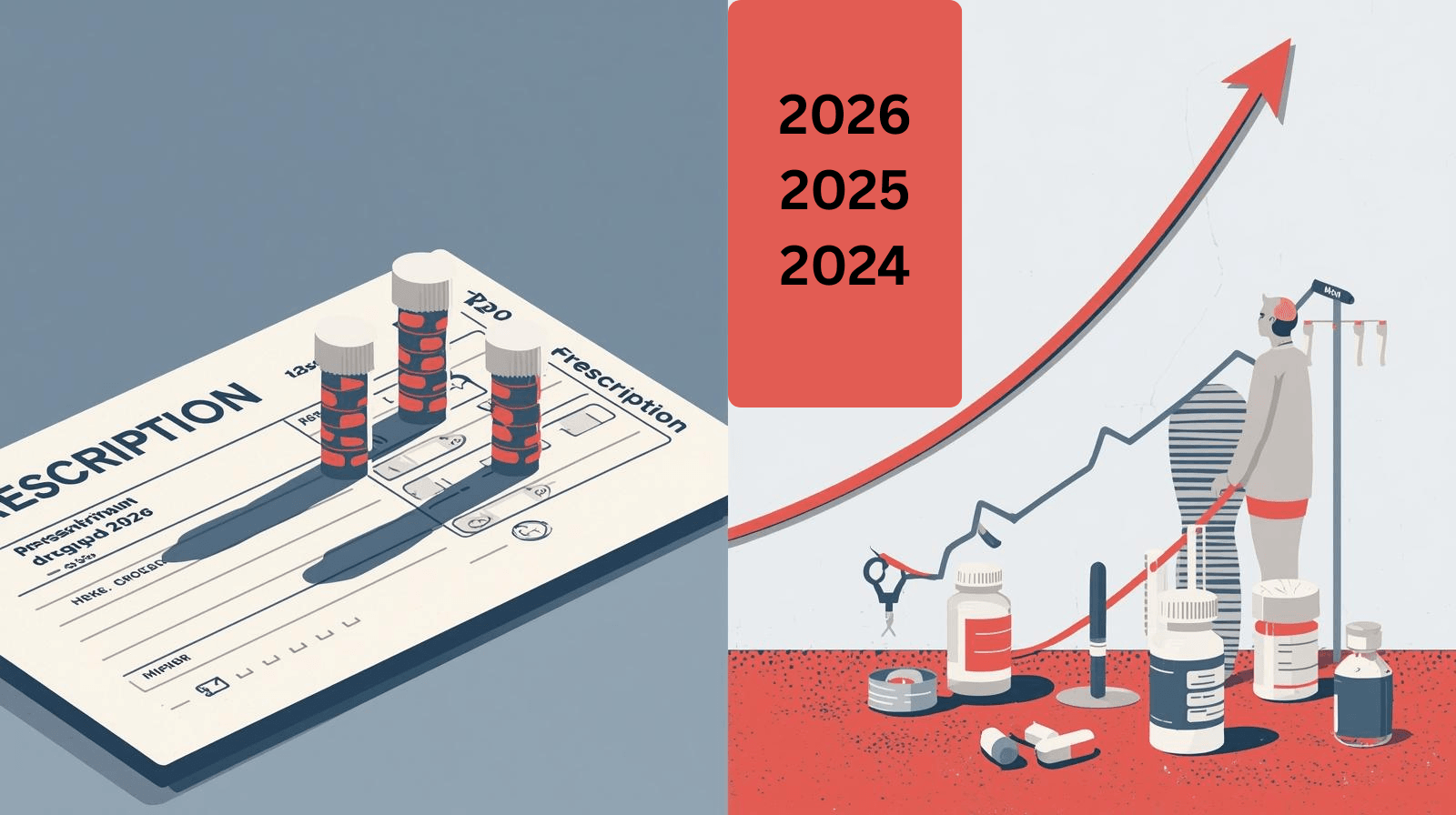
In 2026, pharmaceutical companies plan to raise prices on more than 350 branded prescription drugs in the United States, including vaccines for COVID-19, RSV, and shingles, as well as major cancer treatments such as Pfizer’s Ibrance. The increases come even as the Trump administration continues to push drugmakers to lower prices to levels seen in other developed countries.
The number of planned hikes has grown significantly, up from roughly 250 drugs last year. The median increase is expected to be about 4%, similar to 2025. These list price increases do not reflect rebates or confidential discounts negotiated with pharmacy benefit managers and insurers.
At the same time, drugmakers are planning price reductions on a small number of medications. About nine drugs will see lower list prices, including a more than 40% reduction for Boehringer Ingelheim’s diabetes drug Jardiance and three related treatments. Jardiance is one of ten drugs for which the federal government negotiated lower prices for Medicare, set to take effect in 2026. Under that agreement, its price will be cut by roughly two-thirds.
Despite these limited reductions, U.S. patients continue to pay far more for prescription drugs than consumers in other wealthy nations, often nearly three times as much. President Trump has repeatedly urged pharmaceutical companies to bring U.S. prices in line with international benchmarks.
Several major drugmakers, including Pfizer, Sanofi, Novartis, GSK, and Boehringer Ingelheim, plan to raise prices starting January 1. Pfizer alone is increasing list prices on about 80 drugs, including Ibrance, the migraine treatment Nurtec, and the COVID-19 antiviral Paxlovid. Some hospital-administered medications, such as morphine and hydromorphone, are expected to see price increases of more than fourfold.
Pfizer said its average price increase for innovative medicines and vaccines will remain below the overall inflation rate in 2026, citing the need to fund research, development, and rising operational costs. Other companies have made similar arguments, emphasizing investment in scientific innovation.
Health policy experts remain skeptical. Dr. Benjamin Rome of Brigham and Women’s Hospital said the recently announced pricing agreements make only marginal changes. He noted that companies often raise list prices while offering negotiated discounts behind the scenes, resulting in uneven costs for patients, especially those paying cash.
In response to rising drug costs, the Trump administration has proposed two new Medicare models designed to save billions by tying U.S. drug payments to prices in other developed countries. One proposal targets Medicare Part B drugs and could save nearly $12 billion, while another focuses on Medicare Part D prescription drugs with projected savings of $14.1 billion. Drugs already under Medicare price negotiations would be excluded.
The pharmaceutical industry has criticized these proposals, and public comments will be accepted through February 23.
Separately, President Trump announced that nine major drugmakers, including Amgen, Merck, GSK, and Novartis, agreed to lower certain U.S. drug prices and adopt “most-favored-nation” pricing for new medications. The companies also plan to sell drugs directly to consumers through a new TrumpRx platform launching in January 2026.
As price increases and policy initiatives roll out, patients, providers, and insurers are watching closely to see whether these efforts meaningfully reduce the cost of essential medications, or simply shift who pays the bill. |
“As an Amazon Associate I earn from qualifying purchases.”
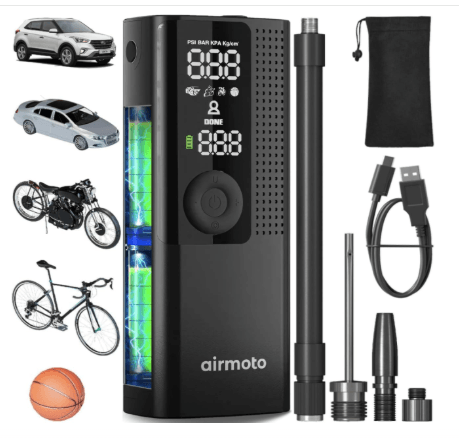
Airmoto Tire Inflator Portable Air Compressor - Air Pump For Car Tires with Digital Pressure Gauge, LED Light and Auto Shut-Off Function - Cordless Pump for Car, Motorcycle, Bicycle, Ball |
|
0 Comments
Join the conversation
Be the first to comment
Share your thoughts above.